


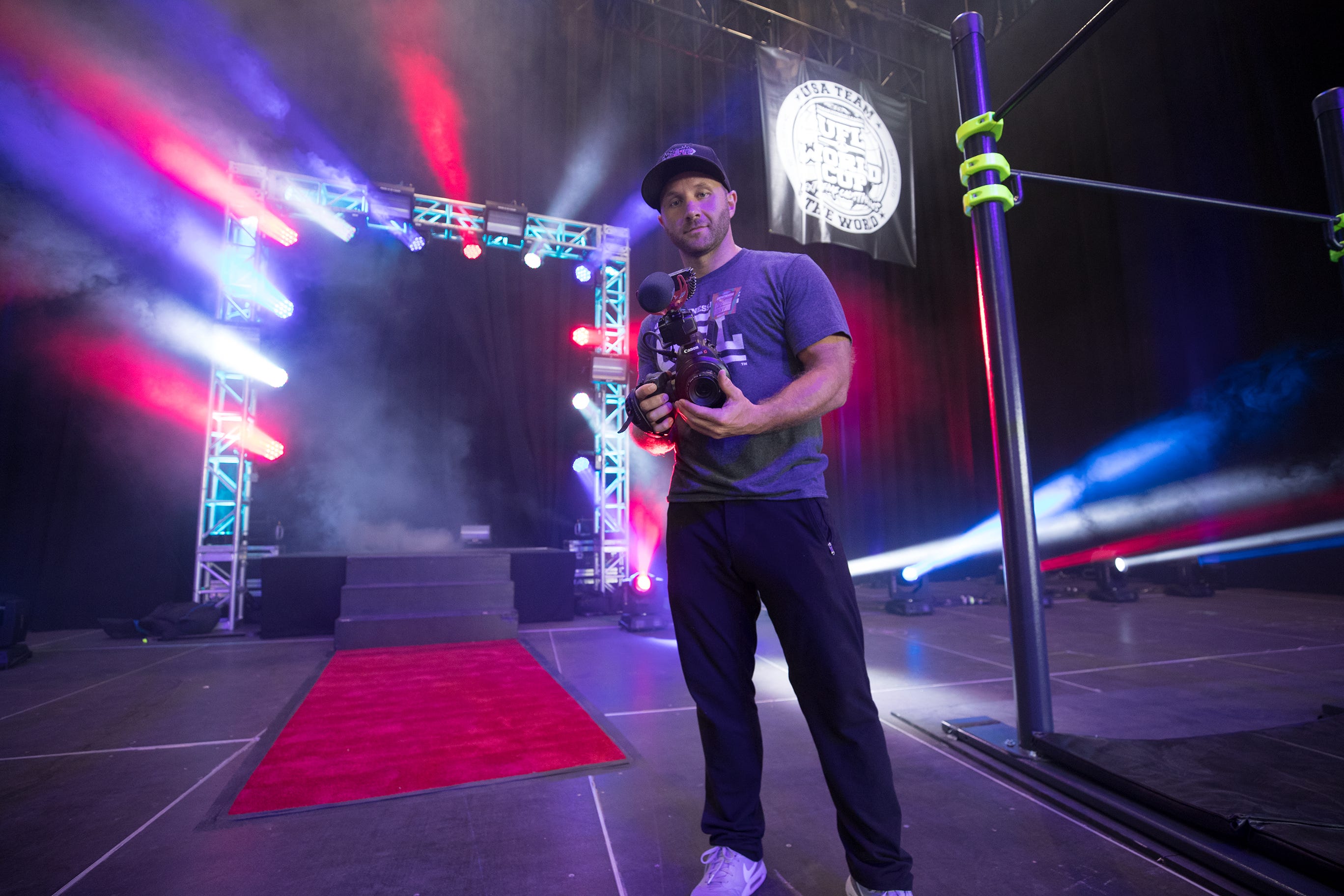
Hey everyone. This is the second post in my new How They Did It series where I ask people who built an audience to share what they learned.
Rain Bennett is an author and Emmy-nominated filmmaker. It started with him crying on his mom’s couch. Two years later, Red Bull bought his film. What follows is his playbook.
—Cory
In January of 2015, I was lying on my mom’s couch in North Carolina, crying.
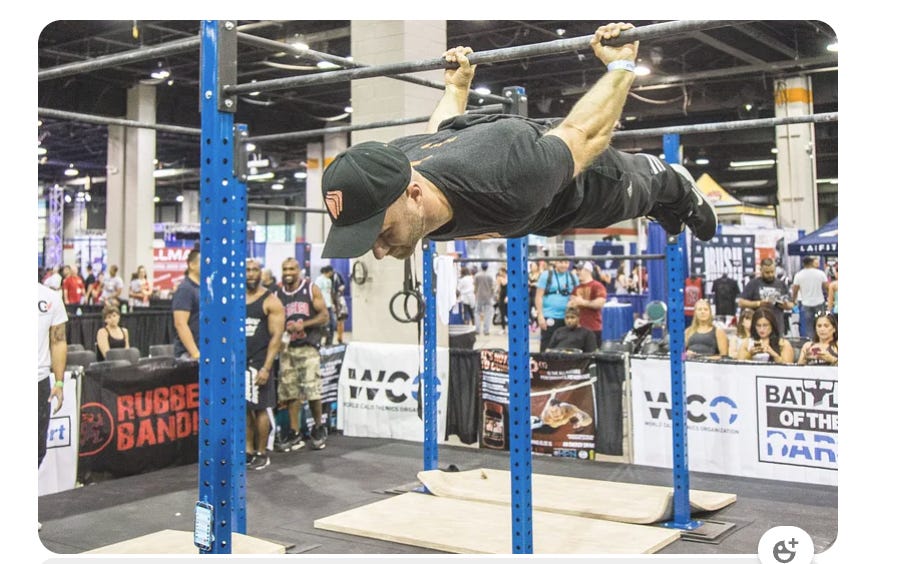
It had been three years since I started making Raise Up: The World is Our Gym, a feature documentary about the rise of “freestyle calisthenics,” an underground fitness movement evolving into a global sport.
I had traveled to 20 countries with a $1,000 Canon DSLR and a backpack. I had poured everything I had into it. My savings were gone. My belongings were in a storage unit in Queens. I had lost most of my connections in the New York film community. I was living off credit cards, debt was piling up, and it seemed like every day something new was going wrong with my car.
I had countless hours of footage and no idea how to turn it into a story anyone would care about. Red Bull had already rejected my first inquiry. Film festivals kept saying no. Distributors kept saying no. Investors kept saying no.
But I never stopped.
Two years later, I sold the film to Red Bull Media House for global distribution.
For a self-financed, one-man-crew indie film, that was not supposed to happen. The percentage of independent documentaries that ever make their money back is between one and three percent.
But the way I eventually did it changed how I have told stories ever since. And it also changed how I think about marketing.
Here are the three lessons I’d take into any campaign today.
1. Build the storytelling skill first. Then add the tools.
When I started making the film, I didn’t really have a plan… just a dream. I traveled the world, collected interviews, filmed events, and said yes to everyone who wanted to be featured.
I had a lot of content, but I had no story.
People would ask me constantly about what camera rig I was using or what gadgets they should buy. Sometimes I didn’t even know the equipment they were referring to. My imposter syndrome was in full swing. But over time, my answer to those questions became my philosophy:
I could take an iPhone and do more than that camera, because I’m telling a story. It’s the man, not the machine.
I see this constantly with brand storytellers and marketers. They go looking for the latest tool—whether it be a new platform, an AI tool, or a popular piece of equipment—before they’ve figured out what they’re actually trying to say. The tool becomes a crutch for a message that they haven’t taken the time to solidify.
Strategy and story first. Tools second. Always.
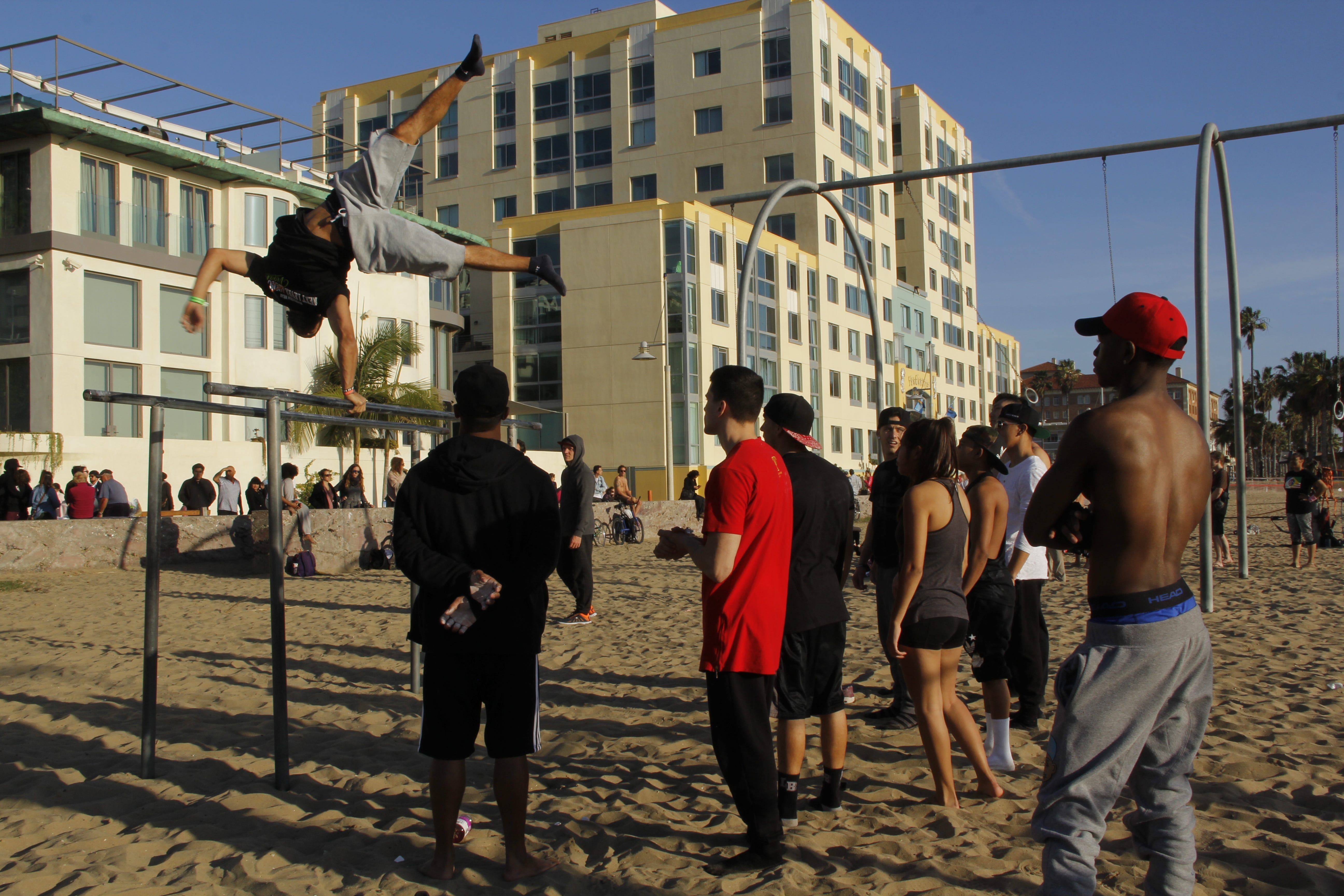
What’s more, your constraints might be your greatest asset. Because I didn’t have a tripod or a proper camera rig, I had to shoot “run-and-gun” style, following the action as it happened. That shaky, gritty footage turned out to be perfect for the vibe of the culture I was following. It made audiences feel like they were in the park with the athletes, not watching a polished scene from a distance. My limitation, therefore, became the aesthetic.
And what I perceived as flaws, actually became my superpower.
2. Go deeper with fewer. Not wider with more.
The moment everything changed for me came in 2014, just outside the famous Luzhniki Stadium in Moscow, at the Street Workout World Championship.
Up to that point, I had way too many characters, way too many events, and I couldn’t find the single storyline that would carry the narrative forward.
I looked around and counted roughly thirty other camera operators. Every single one of us was pointing at the same thing: the athlete on stage.
That was fine for them. They were news outlets and YouTubers building highlight reels. But I wasn’t there to capture the performance. I was there to tell a story.
In that moment, a lightbulb went off, and I turned the camera around.
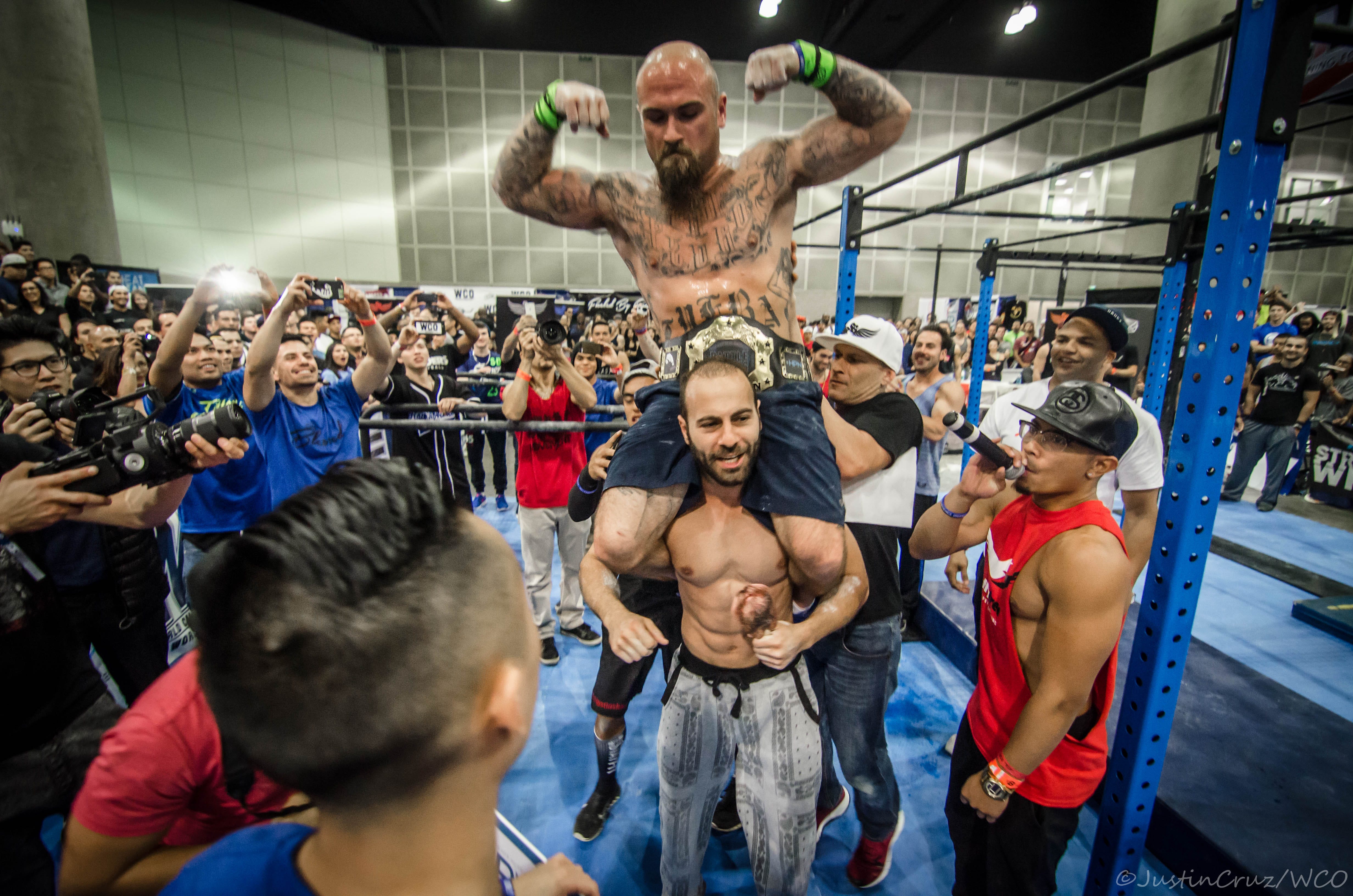
I filmed the audience with faces tense, holding their breath. The athletes backstage, laughing and slapping each other on the back after every daring set. The volunteers running around solving problems that no one in the crowd would ever see.
I showed the community. The culture. The humanity behind the event.
That was the story.
The real skill great documentary filmmakers have, and great marketers for that matter, is taking something complex, niche, or esoteric and finding the universal human theme inside it. Something anyone can connect with, whether they’ve ever touched a pull-up bar or not. That’s how you reach people outside your existing audience. That’s how you grow a movement.
Tell a simple story with a profound narrative. Keep the emotion in, and cut everything else.
3. Co-author the story with your community.
After Moscow, I had a clearer vision. But vision alone is not enough. It must be tested.
When no distributor would touch the film, my team and I took it on the road ourselves. Some screenings drew 60 people. Some drew 6. But the effect was always the same: people left inspired. And each time, we figured out something we could make a little better, based on what the audience actually reacted to.
I held test screenings and focus groups. I took cuts to small festivals. Most importantly, I partnered with FitExpo—a fitness expo based in LA—to build a self-run screening tour. At their events, I screened the film to athletes, fans, and newcomers alike. I watched their reactions. I listened to their feedback. And I adjusted when necessary.
That process did two things that impacted the success of this story. It helped me dial in the pacing, the emotional beats, and the moments that actually landed. At the same time, it built a grassroots audience before the film had a distribution deal. The community became a part of the story, not just silent observers of it.
Almost two years of editing. Countless rejections from film festivals. And then, finally, the Hip Hop Film Festival in New York accepted us.
It was the perfect festival for this film. The screening was in Harlem, the birthplace of this freestyle calisthenics movement we’d followed around the world. The house was packed. Everyone stayed for the panel discussion afterward. And we won “Best of the Fest!”
I cried when I got the news. It was a different kind of cry from the one on my mom’s couch.
That community-first approach did so much more than improve the film. It built an audience that ultimately made the Red Bull sale possible.
Your community doesn’t just want to consume your story. They want to see themselves in it. Invite them in early. Let their reaction sharpen how you tell it. It’s one of the smartest moves you can make for your project, or your brand.
The one skill that makes everything else work
In a world of endless content, infinite channels, and AI-generated noise, the single thing that makes your message stand out is story.
Not production value. Not follower count. Not the right automation tool.
Story.
And here’s what most people get wrong: storytelling isn’t a talent you either have or you don’t. It’s a skill you can build. But only if you approach it with the right strategy. Lead with story. Simplify ruthlessly. Bring your community into the process.
Get the story right. Then use the tools to spread it.
And sometimes, the most powerful thing you can do is stop pointing at what everyone else is, step back to see the bigger picture, and turn the camera around.
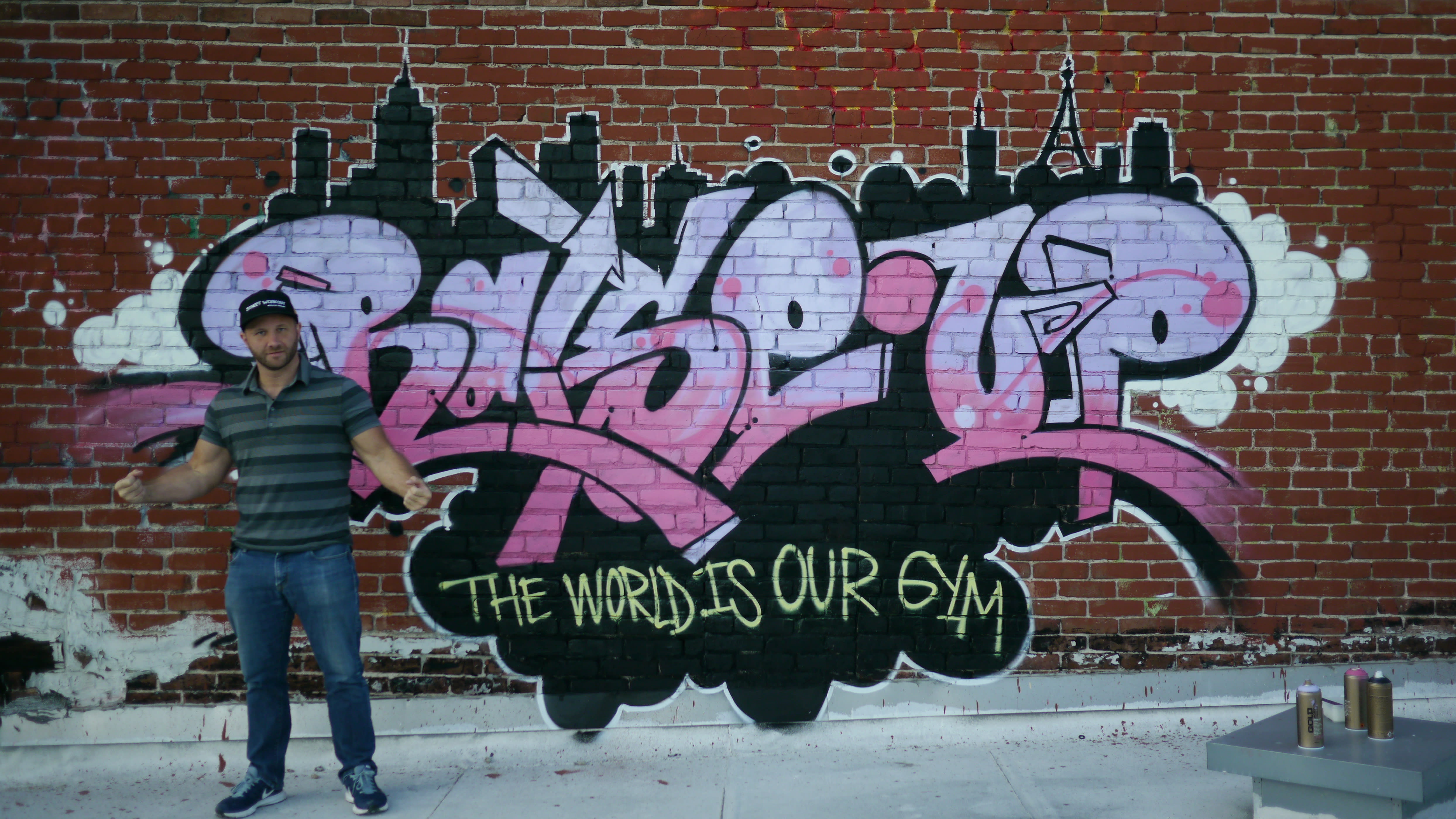
What I took from Rain’s journey
The things that sold his film don’t scale. Carrying a $1,000 DSLR across 20 countries for three years. Running his own screening tour to crowds of six. Sitting through test screenings to hear what landed and what didn’t.
There’s no AI shortcut version of any of that. Which is exactly why it still works, and why it’ll keep working.
Rain’s new book The Chief Storytelling Officer comes out August 25. It teaches the system he uses to build a brand with stories. You can pre-order on Barnes & Noble:
https://www.barnesandnoble.com/w/the-chief-storytelling-officer-b-rain-bennett/1149080177
Or on Amazon:
https://www.amazon.com/Chief-Storytelling-Officer-CREATES-UNDENIABLE/dp/1636988113
How They Did It is my new series where people who built an audience share their playbook. Subscribe so you don’t miss the next one.
Love this! Especially since I've been wanting to make an indie documentary for 15 years.
Very inspirational. Thanks for sharing it!
This piece does an excellent job showing that storytelling is not about having the best tools...it’s about having something human and emotionally true to say. I also appreciated how the essay challenged the modern obsession with optimization and reminded readers that emotional resonance cannot be automated or manufactured through equipment alone. The examples throughout the piece reinforced the idea that authenticity often emerges from limitation, persistence, and proximity to real human experience. It ultimately felt less like advice about filmmaking and more like a larger reflection on what makes people genuinely care about any creative work. Really great read as always Cory :)